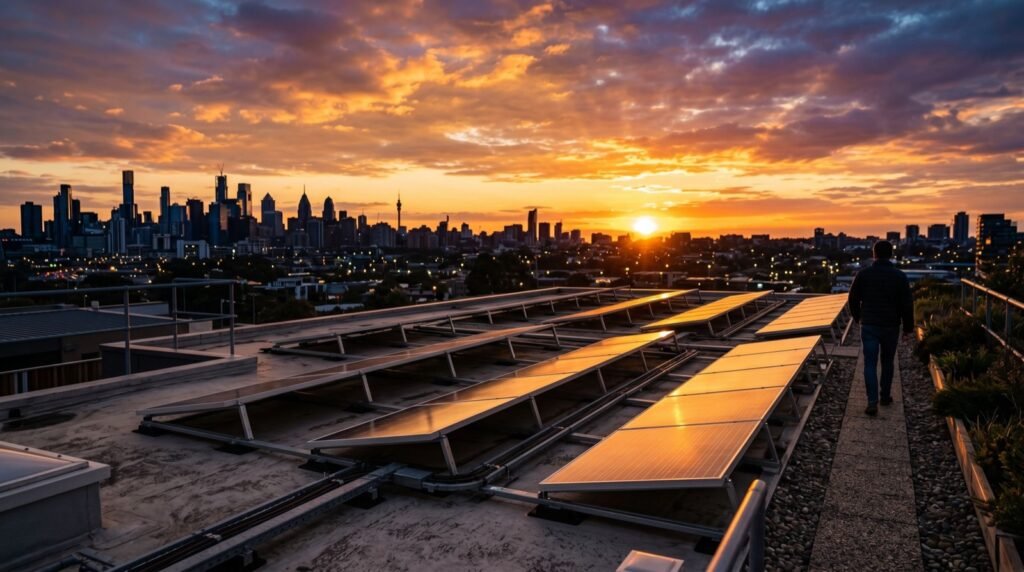
Choosing a Solar Company in Islamabad: 7 Smart Checks for 2026
Picking the right solar company in Islamabad can be the difference between a system that pays for itself in a few years and one that drains your wallet with breakdowns and voided warranties. The capital enjoys strong sunshine and a growing net-metering base, so demand has exploded, and with it a flood of installers of wildly varying quality. This 2026 guide gives you a clear, no-nonsense checklist for hiring an installer you can trust.
Whether you live in a sector house, a DHA villa, or run a small business in the twin cities, the fundamentals are the same: verify credentials, demand transparent engineering, and insist on genuine components. Let us walk through exactly what to look for.
Why Your Choice of Solar Company in Islamabad Is So Important
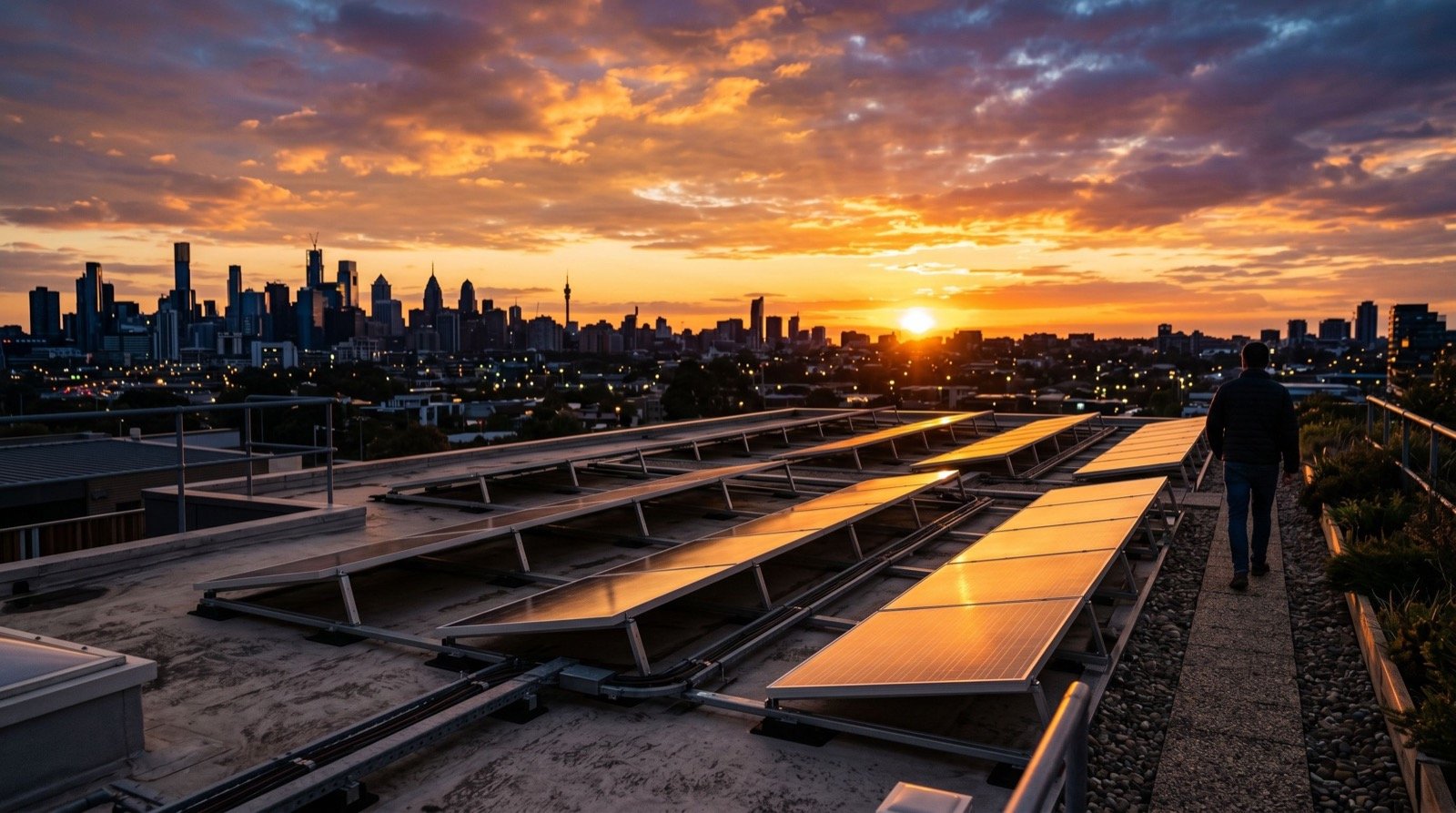
A rooftop solar system is a 25-year asset bolted to your home. The panels might come from a global brand, but the design, wiring, mounting, and net-metering paperwork are all handled by your installer. Poor workmanship here causes leaks, underperformance, and failed inspections, regardless of how good the hardware is.
Islamabad’s terrain and weather add their own demands. Rooftops vary from flat RCC slabs to sloped tiles, hail can strike in spring, and monsoon winds test every clamp. A capable local installer designs around these realities instead of copying a generic layout.
The 7 Checks Before You Sign
Use this list as your interview script. A reputable firm will answer every point confidently and in writing.
- AEDB certification. Confirm the company is registered to design and install grid-tied systems.
- Net-metering track record. Ask how many net-metering files they have cleared with the local distribution company.
- Component transparency. Demand exact make and model numbers for panels, inverters, and cables.
- Engineered design. Insist on a shading analysis and a string layout, not a back-of-envelope guess.
- Written warranty. Separate the product warranty from the workmanship warranty and get both on paper.
- After-sales service. Verify they offer local maintenance and respond to faults quickly.
- Verifiable references. Ask for recent installs in your area you can actually visit or call.
Red flags to walk away from
- Prices far below the market with no component details.
- Reluctance to put warranty terms in writing.
- No physical office or verifiable past projects.
- Pressure to pay the full amount before any inspection.
Understanding Net Metering in the Capital
Net metering lets you export surplus daytime generation to the grid and draw it back as credit later. It is the backbone of residential solar economics in Pakistan. The policy framework sits with the National Electric Power Regulatory Authority, while incentive and certification guidance comes from the Alternative Energy Development Board.
A good installer manages the entire net-metering application for you: load assessment, single-line diagram, meter change, and final commissioning. Ask how long their typical approval takes; experienced firms clear files far faster than newcomers still learning the process.
Hardware: Panels and Inverters That Last
The inverter is the brain of your system, converting DC from the panels into usable AC and managing the net-metering handshake. Cheap units fail early and can underperform in Islamabad’s summer heat. Invest in a reputable inverter with a solid warranty and local service support.
When you compare quotes, make sure the proposal names specific, certified solar inverters in Pakistan rather than vague “high-quality” promises. The brand, model, and warranty length should all appear in black and white.
| Component | What to verify | Typical warranty |
|---|---|---|
| Solar panels | Tier-1 brand, power tolerance, degradation rate | 12 yr product / 25 yr performance |
| Inverter | Model, efficiency, local service centre | 5–10 years |
| Mounting structure | Hot-dip galvanised or aluminium, wind rating | 10+ years |
| Cables & protection | DC-rated, correct gauge, surge protection | Varies |
What About Price?
Do not shop on price alone. The cheapest quote often hides thin cables, unbranded mounting, or an inverter with no local support. Instead, compare total value: component quality, warranty, workmanship, and after-sales response combined.
A reasonable approach is to collect three detailed quotes, line them up component by component, and ask each company to justify any gap. The firm backed by an experienced local team will usually explain its pricing clearly instead of dodging the question.
Questions to Ask During the Site Survey
A proper site survey separates professionals from salespeople. Before any contract is signed, a serious installer visits your roof, measures available space, and checks for shading from water tanks, parapets, and nearby buildings. Use the visit to ask pointed questions.
- Where will the array face, and why? South-facing tilt usually yields the most in Islamabad.
- How will shading be managed? Panel placement and inverter choice should work around obstructions.
- What roof penetration method is used? It must be waterproofed to survive the monsoon.
- Where will the inverter sit? A cool, ventilated, shaded spot extends its life.
- How is the system earthed and surge-protected? Essential given the region’s spring storms.
Write down the answers and compare them across companies. The firm that explains its reasoning clearly, rather than brushing questions aside, is almost always the safer long-term partner, and a well-reviewed solar company in Islamabad will happily walk you through every detail. Good installers treat the survey as a chance to educate you, not just close a sale.
Think about the next 25 years, not just today
Solar is a long marriage, not a one-night purchase. The company you choose should still answer the phone in year five when you want to add a battery or expand the array. Prioritise firms with a stable local presence and a genuine service team over fly-by-night operators chasing the current boom.
Frequently Asked Questions
How do I verify a solar company in Islamabad is legitimate?
Check AEDB registration, ask for recent net-metering approvals, visit a past installation, and confirm they have a physical office and written warranties. Legitimate firms welcome this scrutiny.
How long does a solar installation take?
Physical installation on a typical home takes two to four days. Net-metering approval adds a few weeks depending on the distribution company’s workload and how well-prepared your file is.
Will solar work during Islamabad’s winter?
Yes. Panels generate year-round, though output dips on short, cloudy winter days. Correct system sizing and net-metering credits from sunny months balance seasonal variation.
Do I need battery backup with net metering?
Not necessarily. Net metering uses the grid as a virtual battery. Add physical storage only if you need outage protection during load-shedding or live in an area with an unstable supply.
Final Thoughts
Hiring the right solar company in Islamabad comes down to diligence: verify certification, demand engineered design, insist on genuine components, and never pay in full before inspection. Run every candidate through the seven checks above, compare real value rather than headline price, and you will end up with a system that quietly pays you back for decades. Make that careful choice in 2026 and enjoy clean, reliable power for the long haul.